
(composing on the grid pt.iii) The Composer's Deck
Four families. Sixteen cards each. 65,536 situations the music has to solve.

Every draw changes the question you're asking of the music.
Every draw turns the behaviours that usually stay underneath a piece into conscious choices.
Music theory describes relationships between notes. But almost nothing we actually experience is the note itself. We hear certainty, hesitation, distance, repetition, expansion, instability, memory, texture — a posture the music adopts before a single harmony resolves.
Those behaviours can be isolated. Named. Drawn. Set against one another.
Most prompts hand you content. Write in D minor. Use three notes.
These cards ask something more. They ask what the psychological posture of the music is. What kind of time it inhabits. What behaviours it adopts. What disturbance it has to answer to.
They give you conditions.
A situation the music has to solve.
There are four families.
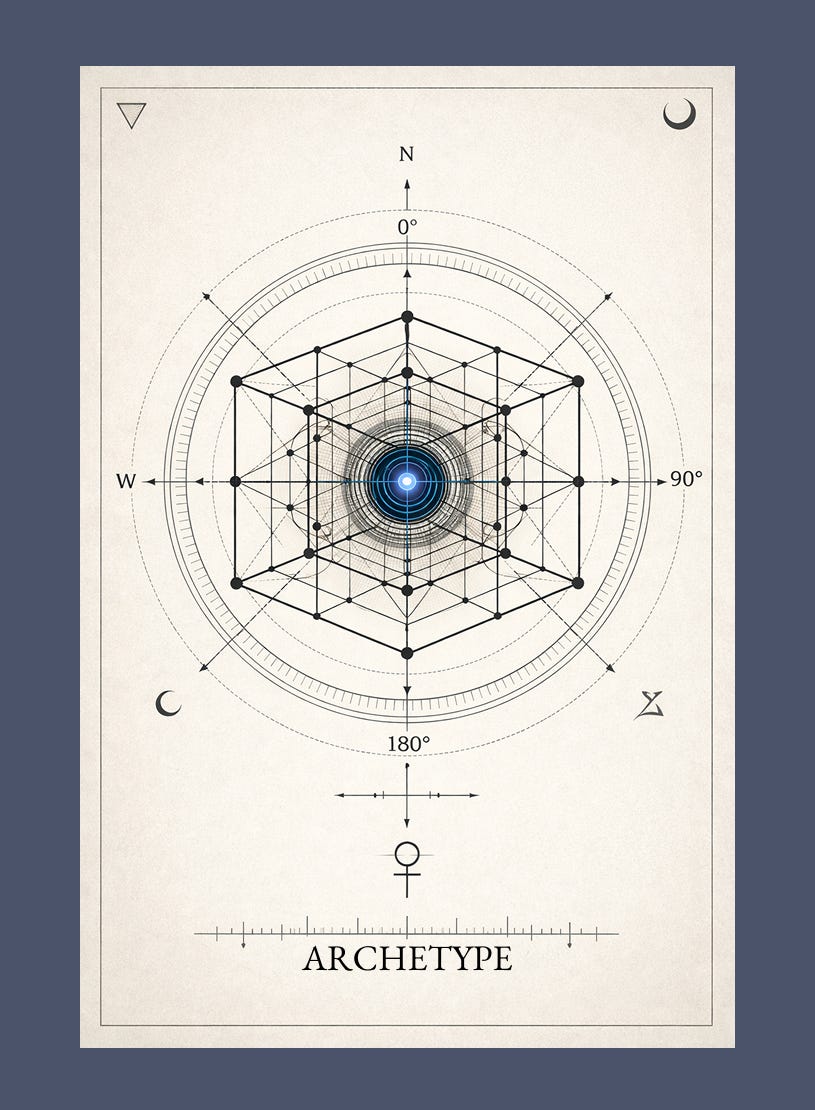
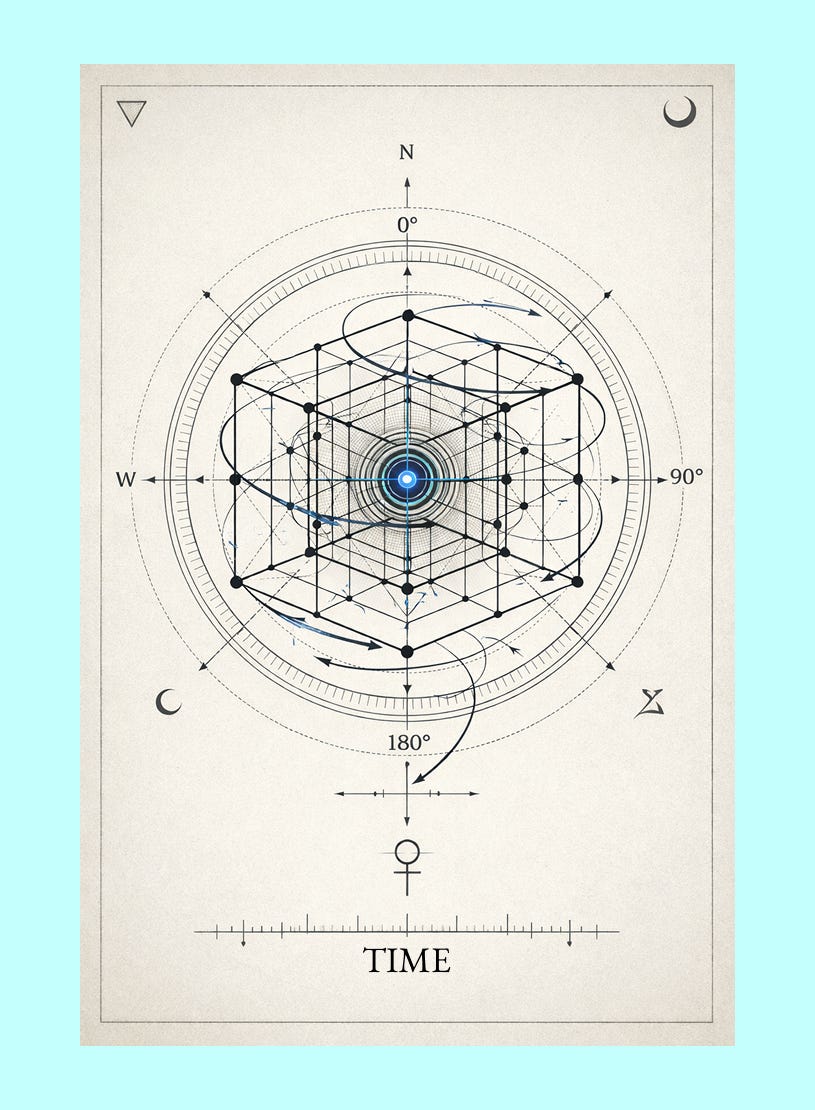
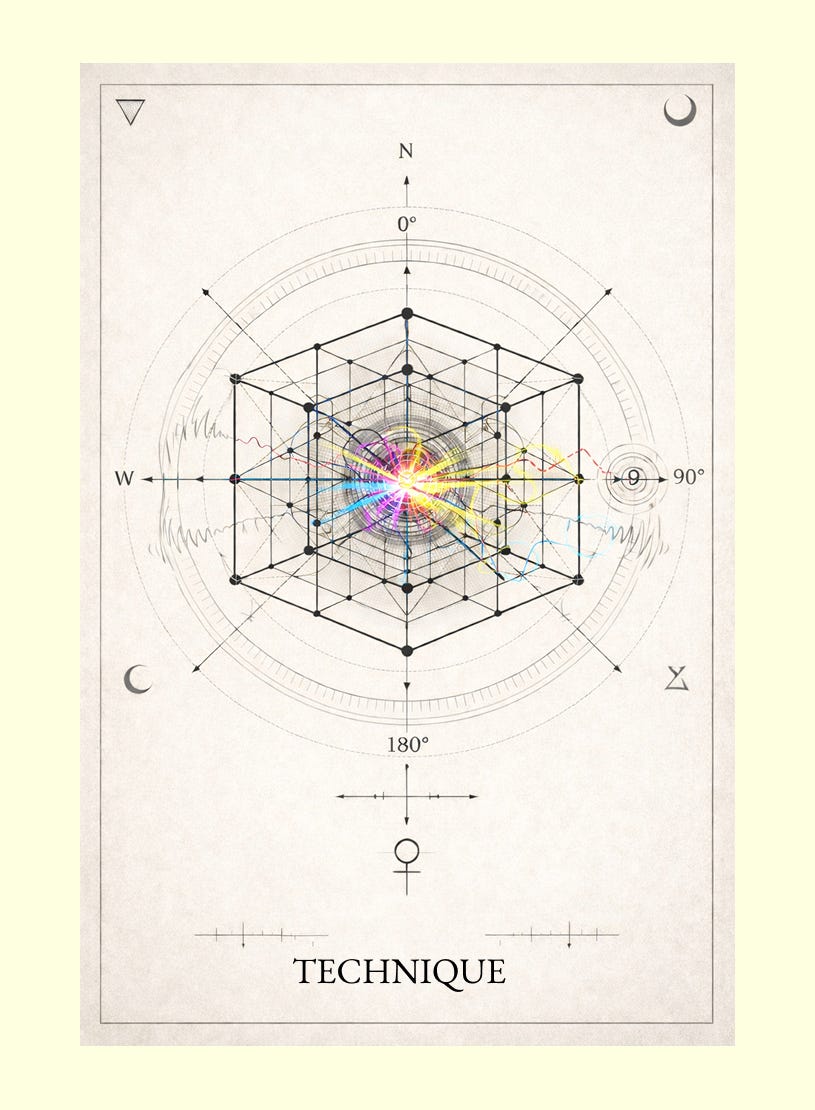
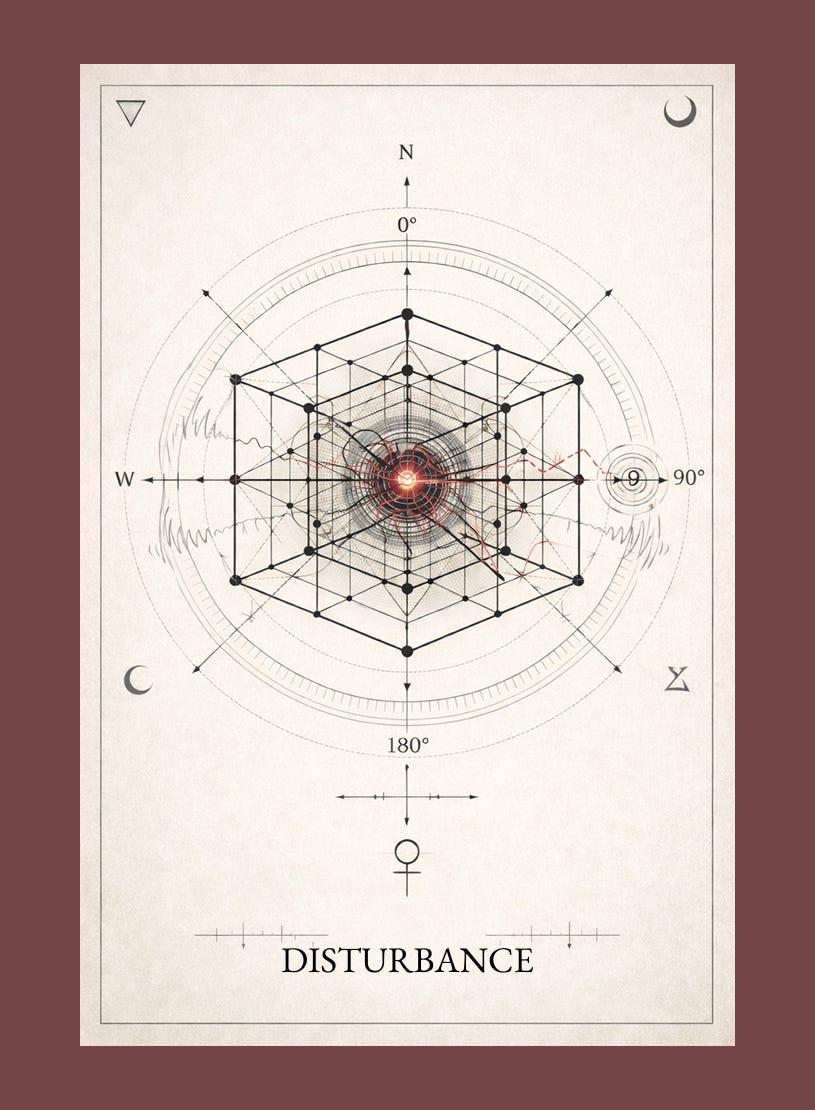
One card creates a starting position. Two pull against each other. Three start to behave. Four make a world.
A piece starts assembling itself from the friction between those forces.
People think a prompt generates novelty. More often it exposes avoidance.
Watch which cards you’re glad to see. Watch which ones you quietly hope not to draw. Watch the one you keep setting aside, telling yourself you’ll use it next time.
That card is pointing at something.
Every composer is already carrying a set of unconscious defaults about motion, harmony, time, tension, and attention — dealt every session, never once turned face-up.
This turns the cards face-up.
So intention can finally see itself.